
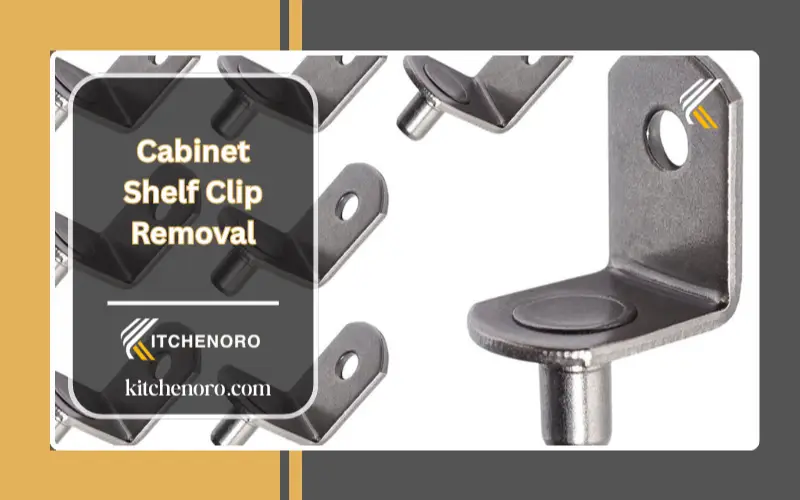
In my own kitchen, I’ve always appreciated cabinets with adjustable shelves—they make organizing and reorganizing effortless. But the first time I tried to reposition a shelf, I realized that removing cabinet shelf clips can feel intimidating if you don’t know the right technique.
Over the years, through hands-on DIY work and professional cabinet installations, I’ve learned that removing shelf clips isn’t about force—it’s about understanding the clip type and using the right motion. Whether your cabinet uses simple plastic pegs or locking metal clips, the process is straightforward once you know what to do.
Remove Cabinet Shelf Clips the Easy Way- Quick Answer:
To remove cabinet shelf clips easily, first identify the clip type. Use a flathead screwdriver or needle-nose pliers to gently pry and twist the clip loose—avoid pulling straight out. For stubborn clips, apply a small amount of lubricant or mild heat to loosen them before removal.
What is a Cabinet Shelf Clip?
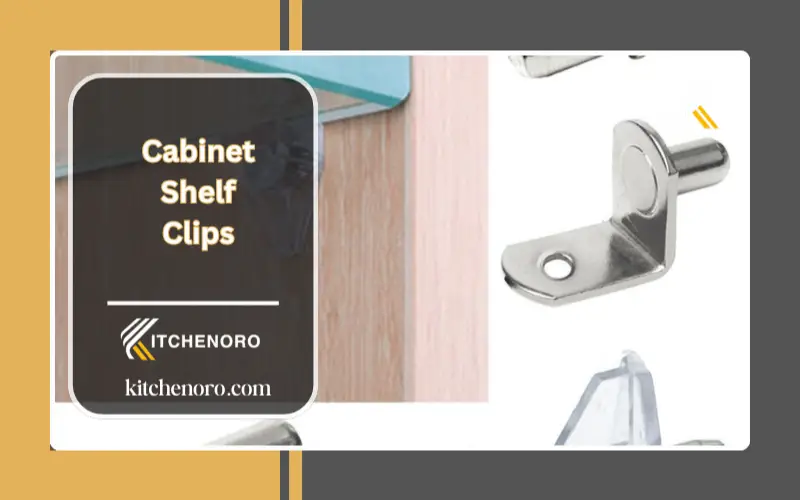
When I first learned how cabinet shelf clips work, I was surprised by how simple yet effective they are. A cabinet shelf clip is a small support—usually plastic or metal—that fits into pre-drilled peg holes inside a cabinet to hold shelves in place.
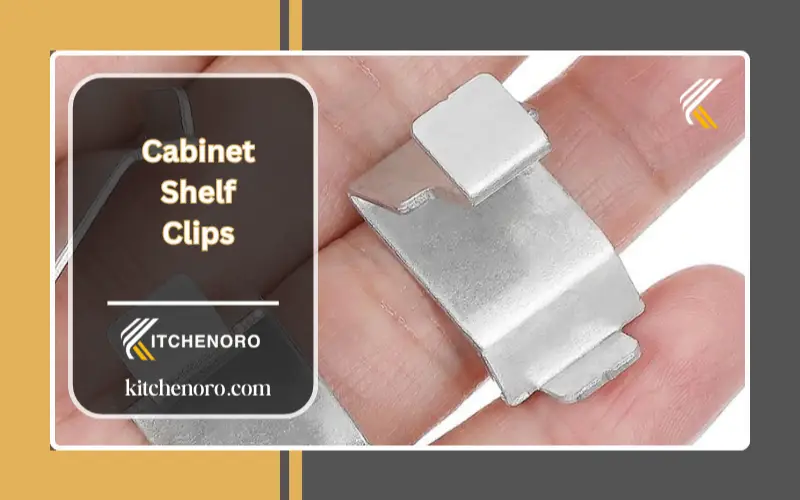
Most shelves require four clips for stability. Some cabinets also include locking or spring-loaded clips, which prevent the shelf from lifting or shifting when weight is applied. Once you understand this design, removing them becomes much easier.
Common Types of Cabinet Shelf Clips
-
Plastic Shelf Clips – Lightweight, affordable, and common in residential cabinets
-
Metal Shelf Clips – Stronger and ideal for heavier shelves
-
Spring-Loaded Clips – Lock shelves in place for extra safety
-
Push-In Peg Clips – Simple pegs pushed directly into cabinet holes
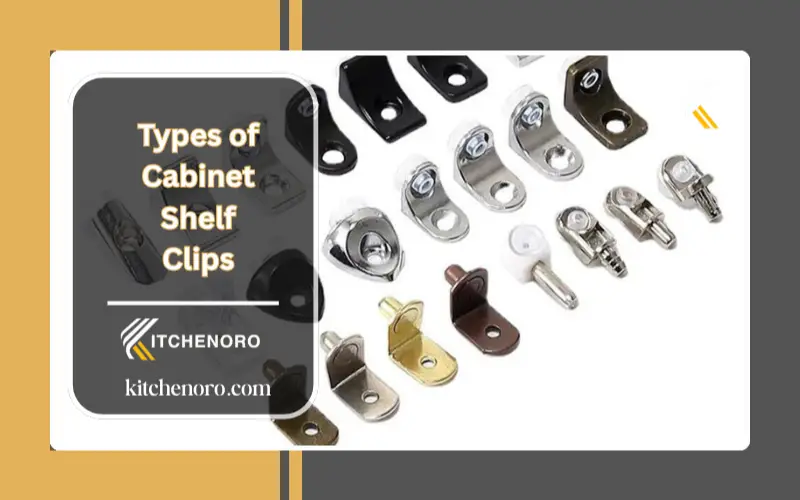
Each type removes slightly differently, which is why identification is the first step.
Why Remove Cabinet Shelf Clips?
ou may need to remove shelf clips for several reasons:
-
Reposition shelves for taller or bulkier items
-
Remove shelves for cleaning or repairs
-
Replace broken or loose clips
-
Refinish, repaint, or remodel cabinets
Most cabinet shelf clips come out cleanly when twisted gently—not pulled—using the right tool for the clip type.
How Cabinet Shelf Clip Removal Works?
From my experience, most cabinet shelves rely on non-locking pins for lighter storage. While convenient, these can shift if one pin loosens. Locking clips, on the other hand, grip better but require intentional release before removal.
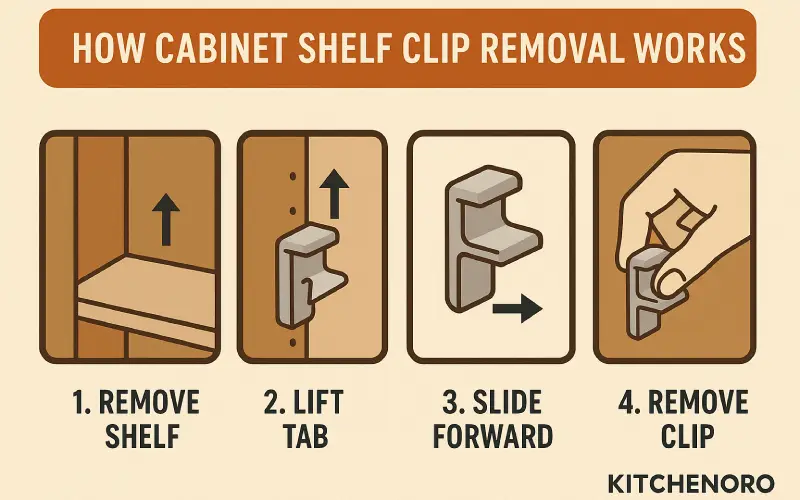
In cabinets with concealed hinges, shelf access may require temporarily removing the doors. Taking this extra step prevents accidental damage and makes clip removal smoother and safer.
Tools You’ll Need
You won’t need all of these—most cabinets require only a screwdriver and pliers. The rest are for stubborn or broken clips.
-
Flathead screwdriver
-
Needle-nose pliers
-
Rubber mallet
-
Protective gloves
-
Safety glasses
Optional Supplies (For Difficult Cases)
-
Scrap wood or cardboard
-
Cordless drill with 1/16-inch bit
-
Small screw (#4 or #5)
-
Claw hammer or pry bar
Quick Checklist: Before You Remove Shelf Clips
-
☐ Empty the cabinet completely
-
☐ Identify the clip type
-
☐ Protect cabinet surfaces with cardboard or cloth
-
☐ Use a twisting motion—not force
-
☐ Wear safety glasses and gloves
Step-by-Step Guide: Remove Cabinet Shelf Clips the Easy Way
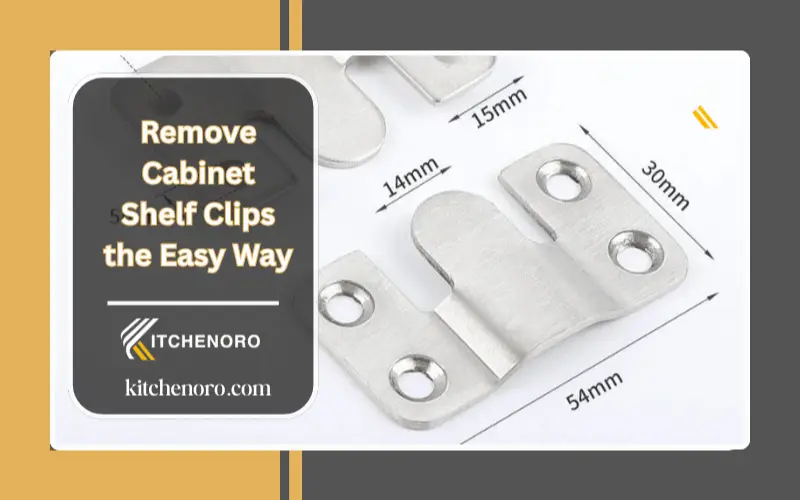
Step 1: Empty the Cabinet
Remove all items and lift out the shelf to access the clips.
Step 2: Identify the Clip Type
Check whether the clips are plastic, metal, or spring-loaded.
Step 3: Loosen the Clip
Insert a flathead screwdriver behind the clip and gently pry outward while twisting.
Step 4: Pull with Pliers (If Needed)
Grip stubborn clips with needle-nose pliers and wiggle them free—slowly and patiently.
Step 5: Remove Spring-Loaded Clips
Press inward to release the locking tension, then pull the clip out.
Step 6: Clean the Holes
Wipe peg holes to remove dust and debris before reinstalling or replacing clips.
Tips for Easy Clip Removal
-
Work slowly to avoid cabinet damage
-
Place a cloth or cardboard under the tools to prevent scratches
-
Twist clips gently instead of pulling straight out
-
Apply lubricant or wait a few minutes after heating stubborn clips
Safety Precautions
-
Always wear safety glasses—clips can snap unexpectedly
-
Keep fingers clear of prying tools
-
Handle old plastic clips carefully; they can shatter
Troubleshooting Common Problems
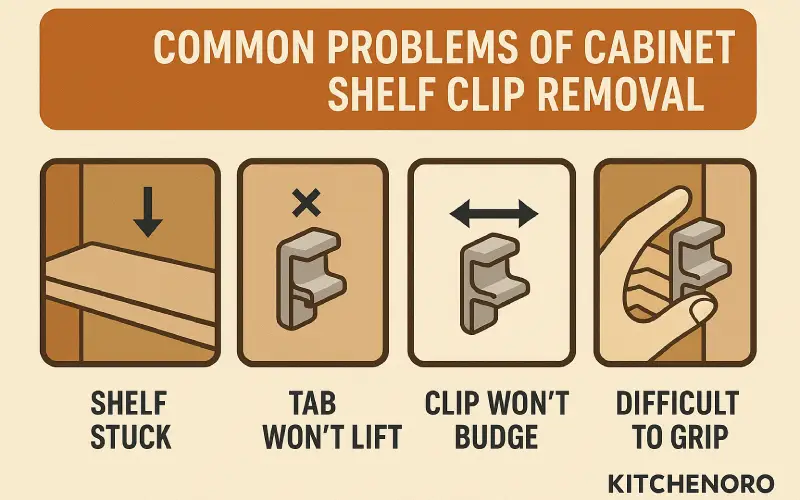
Clips Won’t Budge
Use a hairdryer on low heat to slightly expand plastic clips.
Holes Are Stripped
Install shelf support sleeves or use larger replacement clips.
Broken Clip Pieces Stuck Inside
Drill gently into the broken piece, insert a screw, and pull it out with pliers.
When Should You Replace Shelf Clips?
Replace shelf clips if they:
-
Are cracked, brittle, or bent
-
No longer grip securely
-
Are plastic but supporting heavy shelves
Metal shelf clips are recommended for long-term durability and heavier loads.
How to Remove Shelf Clips by Taking Off Cabinet Doors
With concealed hinges, removing the doors gives better access. Hold the door securely, release the hinge, and slide the shelf out level. Once the shelf is removed, twist and loosen the clips carefully from the peg holes.
How to Remove a Broken Cabinet Shelf Clip
If the peg snaps off:
-
Drive a small nail or screw into the broken piece
-
Grip it with needle-nose pliers
-
Pull gently while twisting
-
Drill carefully if needed for stubborn fragments
How to Know When Cabinets Need an Upgrade
Cabinets often show warning signs before failure:
-
Persistent dents and scratches
-
Doors that won’t align properly
-
Repeated hardware issues despite repairs
At that point, replacement may be more cost-effective than constant fixes.
Conclusion
Removing cabinet shelf clips doesn’t have to be frustrating. By identifying the clip type, using gentle twisting motions, and applying the right tools, you can remove clips safely without damaging your cabinets. Taking a few extra minutes now ensures your shelves stay secure, level, and functional for years to come.
About Kitchenoro
Kitchenoro is your trusted partner for complete kitchen remodeling, renovation, and elegant design. We specialize in premium cabinet installation, countertops, and transforming kitchens into luxurious, functional spaces. With expert craftsmanship and tailored solutions, Kitchenoro turns your vision into reality. Contact us to elevate your kitchen’s style and functionality!